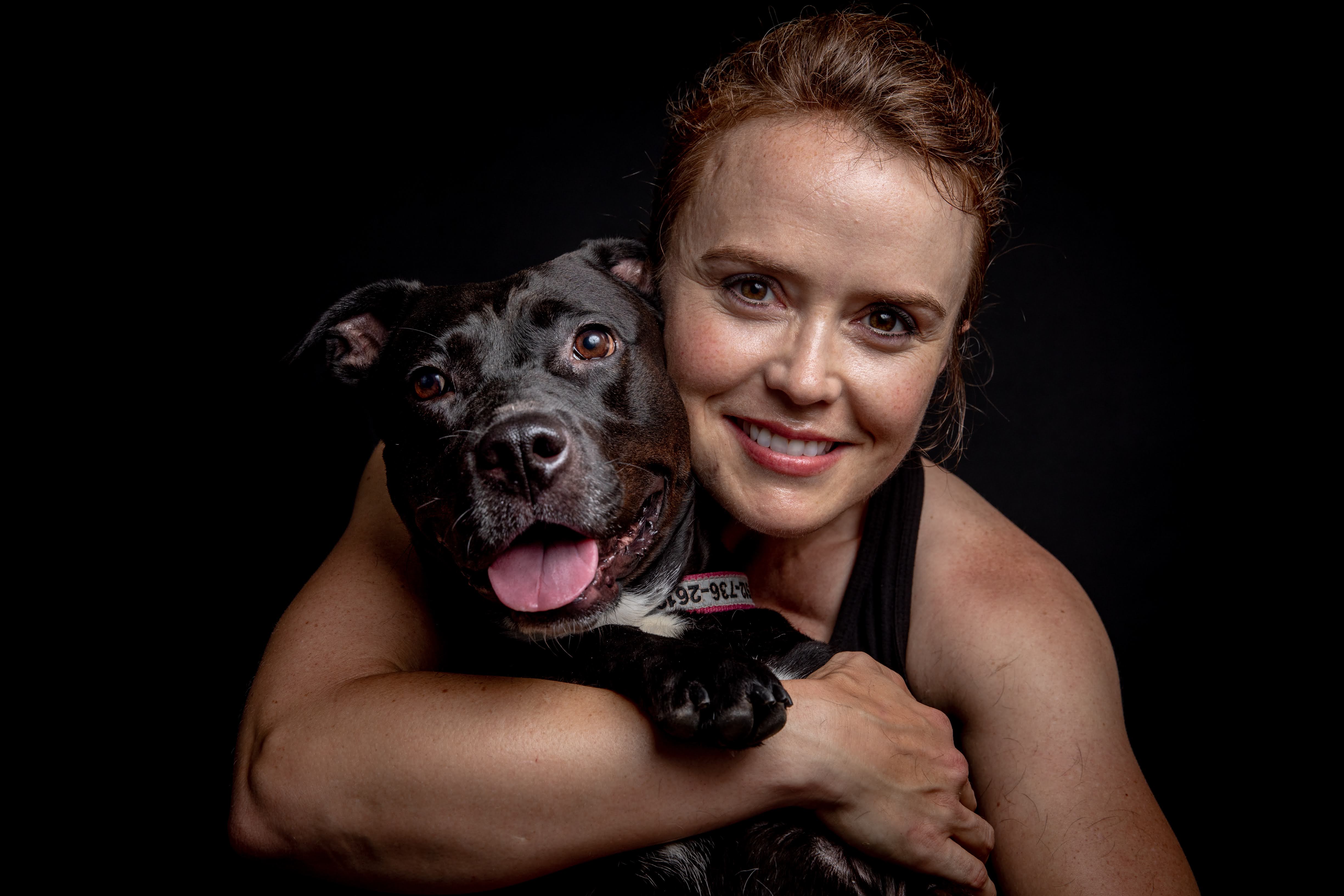
My sweet Fiona’s spleen ruptured on Saturday and x-rays found she was full of cancer and in severe pain, so I chose to let her go. She was the kindest soul and brought so many fearful fosters out of their shells. She recently became a Divine Canines therapy dog, bringing joy to memory care residents in honor of my late mom. Her loss is devastating.
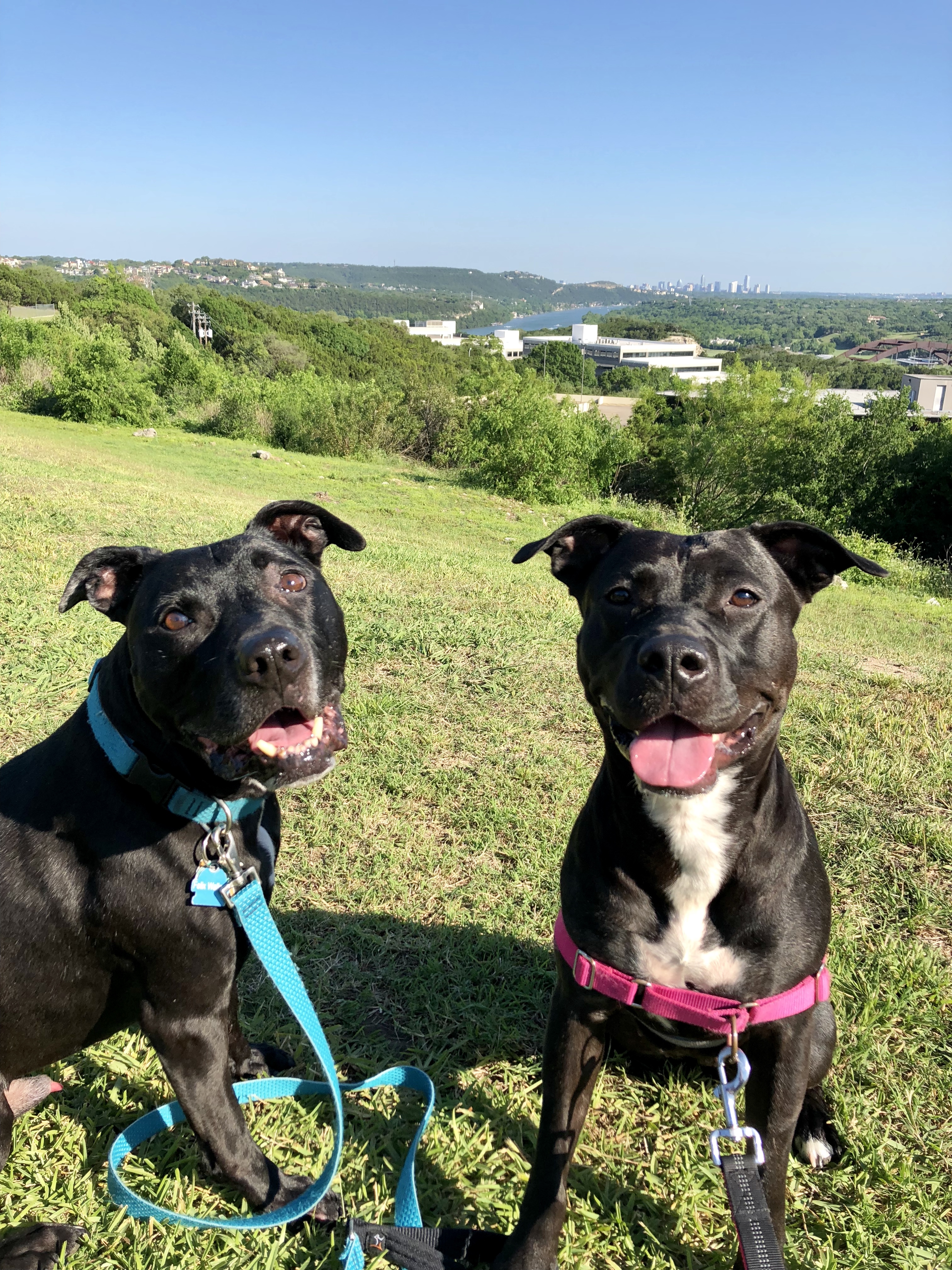
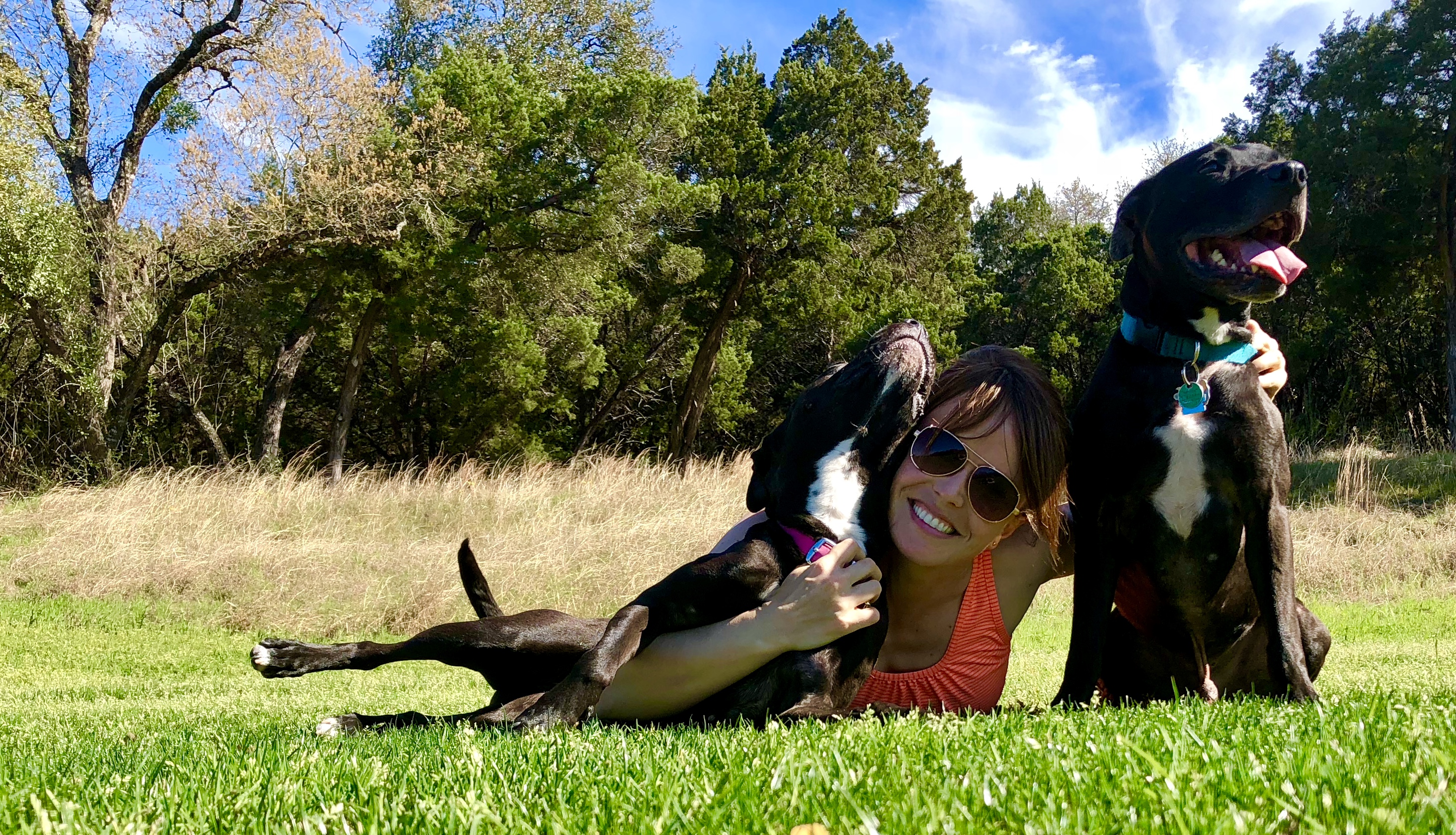
I adopted Fiona from Austin Animal Services (AAS) eight years ago this month. She ‘fixed’ the separation anxiety of my first dog, Felix. Her peaceful presence calmed him. Felix and Fiona looked like Unrelated Twins and the three of us went on epic adventures. They were my quarantine companions and sources of comfort during difficult times. It’s hard to believe they are both gone.
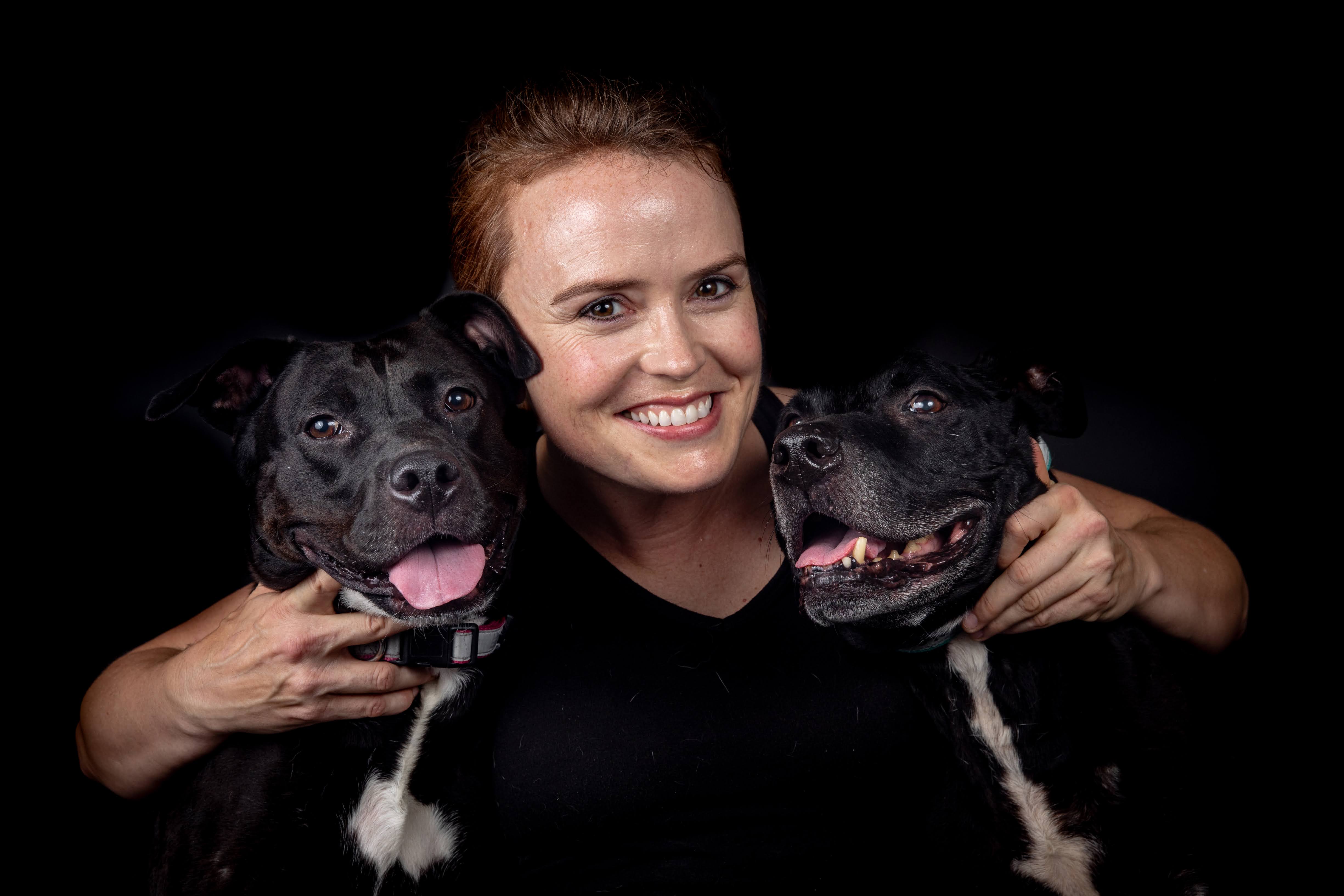
October is Pit Bull Awareness Month, a moniker I never liked because “awareness” is often associated with afflictions such as Breast Cancer Awareness Month, which is also October. Felix and Fiona were both “pittie” mixes. I’m glad October offers an opportunity spotlight bully breeds, as they make up a disproportionate percentage of the dog population euthanized in U.S. urban shelters.
I’ve actively volunteered as a large dog walker at AAS for 18 years. Describing itself as the “Largest No-Kill City” for homeless pets, a walk through Austin’s municipal shelter shows you how disproportionately large the percent of muscular, blockhead, short-hair “pit bull” type dogs there are.
Freedom lovers might balk at proposed South Carolina legislation that would charge the guardians of unaltered pit bulls $500 annually, which would go to pay for the spay/neuter of “pittie” owners who struggle to afford the surgeries. The reality is that taxpayers pay for the temporary housing and likely euthanasia of pit bulls that enter municipal shelters, so having humans that choose to have unaltered dogs pay for this problem’s mitigation is a conservative solution. With 70 percent of dogs euthanized at South Carolina shelters being bully breeds, this could certainly help.
I am pro mandatory sterilization of bully breeds because I’m tired of seeing them languish endlessly in kennels, overlooked by adopters because of the media and pop culture hype around them, when in reality they are just regular dogs with quirks and characteristics unique to each as an individual. The anti-pit bull crowd wants their mandatory sterilization because they think it will lead to greater public safety, and I want it because it will lead to a lower shelter population, which means less killing of innocent dogs and the correlated mental health struggles of shelter workers and volunteers who witness this depressing cycle continue endlessly.
The most compelling support for mandatory sterilization of “pit bulls” is what happened in San Francisco after their 2006 law was implemented. Only 18 months after the law passed, the number of “pit bulls” euthanized dropped 24 percent. As I walked through San Francisco’s municipal shelter in 2019, I was struck by how few dogs of any breeds there were compared to the constantly-over-capacity AAS. I asked a shelter employee how a city of San Francisco’s size could have so few homeless dogs and she said the 2006 “pit bull” sterilization law has paid dividends in lower shelter intake.
AAS continues to be over capacity, with the much publicized “post-pandemic” dog dump contributing the existing problem. I mentored a new volunteer recently who commented on the inordinate number of “pit bulls” that reside frantically in the kennels. He asked why are there so many pitties in shelters? Is it because they are bad dogs so more people relinquish them? This is a common misconception among those with little to no personal experience with these pups. I love seeing new volunteers go from fearful of our abundant pittie population to avid advocates of these misunderstood creatures as they interact with them. A common saying among my fellow shelter volunteers is, “once you go pit, you can’t quit”.
As a black bully breed, Fiona belonged to the single least-adoptable demographic in the shelter system. Yet, she defied every poorly informed stereotype about dogs who look like her.
In Fiona’s honor, please consider making a donation to a low-cost spay/neuter clinic like Emancipet or, better yet, opening your heart and home to a shelter pittie.